Periodontal Treatment Ventura for Cleaner Teeth and Healthier Gums
@marcojexp286
October 2, 2026 · 15 min read
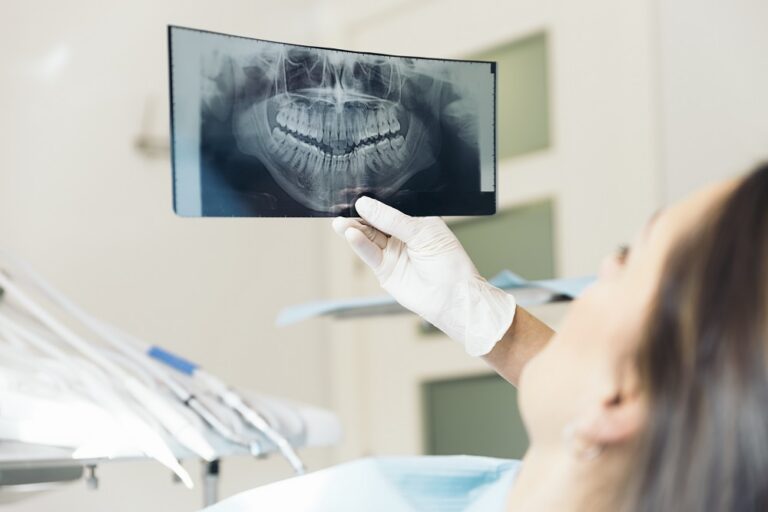
A clean smile depends on more than white enamel. The condition of the gums, the ligament around each tooth, and the bone beneath the surface matter just as much. When those tissues become inflamed or infected, brushing harder does not solve the problem. It often makes things worse. That is where periodontal care comes in, and for many patients seeking Periodontal Treatment Ventura, the goal is not cosmetic polish alone. It is stability, comfort, and a mouth that stays healthy for years.
Gum disease tends to build slowly. A little bleeding when flossing, tenderness along the gumline, or a stubborn bad taste in the mouth may seem minor. Patients often ignore these changes because they are not dramatic. Then one day they notice a tooth looks longer, a space has opened where food traps constantly, or a cleaning becomes unexpectedly painful. By that point, the supporting tissues may already be under strain.
The encouraging part is that periodontal problems are treatable, especially when caught early. Even in more advanced cases, the right care can reduce infection, improve comfort, and help preserve natural teeth. Good treatment is not just about removing buildup. It is about reading the biology of the mouth, identifying risk factors, and matching therapy to the severity of the disease.
What periodontal treatment actually addresses
Periodontal treatment focuses on the tissues around the teeth. That includes the gums, the periodontal ligament, the root surfaces, and the surrounding bone. When plaque is allowed to sit undisturbed, bacteria produce toxins that irritate the gums. At first, the gums become red, puffy, and prone to bleeding. This stage is gingivitis. It is reversible with proper cleaning and home care.
If inflammation continues, the attachment between gum and tooth begins to weaken. Pockets form below the gumline, where bacteria thrive in a place your toothbrush cannot reach. Over time, the body responds to chronic infection by breaking down bone and connective tissue. This is periodontitis, and unlike gingivitis, it cannot be reversed simply by brushing better for a few weeks.
People often think gum disease should hurt more than it does. In reality, many cases progress quietly. That is one reason routine exams and periodontal measurements matter. A patient may feel almost nothing while deep pockets, bleeding points, and localized bone loss are already present.
Why cleaner teeth alone are not enough
The phrase "cleaner teeth" is useful, but it can be misleading. A surface polish removes stain and leaves teeth feeling smooth, yet gum disease lives below the visible margin. Once tartar hardens under the gums, it creates a rough surface that holds more bacteria. Those bacterial colonies are the real problem. They drive inflammation and tissue destruction.
This distinction comes up often in practice. Someone may say, "I had my regular cleaning six months ago, so why are my gums still bleeding?" The answer is usually that a standard prophylaxis is designed for mouths without active periodontal disease. It addresses buildup above the gumline and light deposits near the margins. It does not treat deeper infection in periodontal pockets. That requires a different level of care and a different diagnosis.
For patients exploring Periodontal Treatment Ventura, it helps to understand that treatment is based on what the tissues need, not on the calendar alone. Two people can both be due for a cleaning, but one may only need preventive maintenance while the other needs a more involved periodontal approach.
The signs patients most often overlook
Many patients with early or moderate gum disease do not come in because of pain. They come in because they notice something that feels off. A little blood in the sink. Persistent bad breath that mints do not touch. Sensitivity near the roots. A bite that feels slightly different.
The most common warning signs include:
- bleeding during brushing or flossing
- gums that look swollen, shiny, or darker than usual
- gum recession, or teeth appearing longer
- chronic bad breath or a sour taste
- loose teeth, shifting teeth, or new food traps
These symptoms do not always mean advanced periodontitis, but they are enough to justify a thorough evaluation. Bleeding in particular is easy to dismiss, yet healthy gums generally do not bleed with routine brushing and flossing. If they do, that is often the tissue asking for attention.
How a periodontal evaluation works
A proper periodontal evaluation is more detailed than many patients expect. It usually begins with a visual exam of the gums, followed by measuring the pockets around each tooth with a small instrument. Those numbers matter. A sulcus of one to three millimeters with little or no bleeding is generally considered healthy. Deeper measurements, especially when paired with bleeding or recession, can indicate disease activity.
X-rays are another key part of the picture because bone loss is not visible to the naked eye. A patient may have only mild puffiness in the gums but still show horizontal or vertical bone changes around certain teeth. The clinician also looks at plaque levels, tartar deposits, exposed roots, tooth mobility, bite forces, existing dental work, and home care patterns.
Medical history matters more than many people realize. Diabetes, smoking, dry mouth, hormonal shifts, stress, autoimmune conditions, and certain medications can all influence periodontal health. I have seen patients with diligent brushing habits struggle because their blood sugar was poorly controlled, and I have seen others improve dramatically once smoking stopped and inflammation dropped. Gum disease rarely exists in isolation. It reflects the mouth, the habits, and sometimes the broader health of the patient.
Common periodontal treatments and when they are used
There is no single treatment that fits every case. Periodontal care ranges from conservative cleaning below the gumline to surgical procedures for advanced disease. The right choice depends on pocket depth, bleeding, tartar accumulation, bone support, and whether the condition is stable or actively progressing.
For early disease, treatment often starts with scaling and root planing. Patients sometimes call this a deep cleaning, which is a familiar term, though not a precise one. Scaling removes plaque and tartar from above and below the gumline. Root planing smooths the root surfaces to make it harder for bacteria to reattach and easier for the gums to heal. Depending on the extent of the disease, treatment may be done one side at a time with local anesthesia.
In some cases, antimicrobial rinses or localized antibiotics are added, particularly where deeper pockets remain after mechanical cleaning. These are not replacements for instrumentation. They are adjuncts, useful in selected situations, not a cure by themselves.
More advanced disease may require periodontal surgery. Flap procedures allow better access to deep deposits and root surfaces. Grafting may be recommended for recession or specific bony defects. Regenerative techniques are sometimes considered when the anatomy is favorable and the patient is a good candidate. Not every defect can be rebuilt predictably, and a trustworthy clinician will say so plainly.
An important point often missed in online searches is that treatment does not end when the active phase is complete. Periodontal maintenance is what keeps the gains from slipping away. A patient with a history of periodontitis usually needs more frequent professional care than someone with a consistently healthy mouth.
What scaling and root planing feels like
Patients commonly worry that periodontal treatment will be overwhelming. The reality is usually more manageable than expected. Scaling and root planing is typically performed with local anesthetic, so sharp pain should not be part of the experience. Pressure, vibration, water spray, and time in the chair are more common complaints than pain itself.
Afterward, the gums may feel tender for a few days. Cold sensitivity can increase temporarily, especially where tartar had been covering exposed root surfaces. Mild soreness while chewing is not unusual. Most people return to normal activity right away, though they may prefer softer foods that evening.
A detail worth knowing is that the teeth can feel different when all the heavy buildup is removed. Some patients say their teeth feel cleaner but also oddly more open. That sensation is real. Inflamed gums were swollen, and tartar was taking up space. Once those are gone, the mouth feels less crowded, which is a sign of healthier architecture rather than a problem.
Why maintenance visits matter so much
One of the biggest misunderstandings in periodontal care is the idea that treatment is a one-time fix. Gum disease is managed, not magically erased. The bacteria that contribute to periodontitis are part of a complex biofilm, and the body’s inflammatory response plays an equal role. If a patient has already shown a tendency toward breakdown, ongoing maintenance is critical.
For many periodontal patients, three to four month recare intervals are recommended instead of the standard six months. That is not a sales tactic. It is based on how quickly harmful bacteria can repopulate and how susceptible the tissues are. In practice, patients who stay consistent with maintenance often keep their teeth far longer than those who disappear for a year or two and return only when something hurts.
These appointments are more focused than routine cleanings. They usually include updated periodontal measurements where needed, removal of plaque and tartar above and below the gumline, and a close look at areas that tend to relapse. Home care gets reviewed, sometimes with small but meaningful adjustments. A different flossing aid, a softer brush, or an electric toothbrush used correctly can make a major difference.
The Ventura factor, habits, lifestyle, and everyday wear
When people search for Periodontal Treatment Ventura, they are often looking for a local solution, but local habits influence oral health too. Ventura’s lifestyle has its advantages. Many residents are active, health-conscious, and engaged in preventive care. At the same time, coffee culture, acidic drinks, stress, mouth breathing during exercise, and busy schedules can all shape periodontal health in subtle ways.
I have seen patients who eat well and exercise regularly but still struggle with gum inflammation because they clench their teeth, use tobacco occasionally, or skip flossing after late nights. Others assume that because they avoid cavities, their gums must be fine. Those are separate issues. You can have very few cavities and still develop significant periodontal disease.
Coastal climates and outdoor lifestyles also create dry mouth in some people, especially if they combine long days outside with caffeine, certain medications, or inadequate hydration. Reduced saliva changes the oral environment and can make plaque more problematic. These are not dramatic risk factors on their own, but they add up.
The connection between gum health and whole-body health
The mouth is not separate from the rest of the body. Chronic periodontal inflammation has been linked to broader health concerns, particularly in people with diabetes and cardiovascular risk factors. It is important to speak carefully here. Gum disease does not simply cause heart disease in a direct one-step way, and responsible clinicians avoid oversimplifying the science. What is clear is that chronic inflammation matters, and periodontal infection can contribute to the body’s overall inflammatory burden.
The relationship with diabetes is especially practical. Poorly controlled blood sugar can worsen gum disease, and active gum infection can make glucose management more difficult. That two-way relationship shows up often in real patient care. When periodontal inflammation improves, patients sometimes report easier control of their diabetes alongside cleaner feeling teeth and less bleeding.
Pregnancy, immune status, and some medications also affect the gums. This is one reason good periodontal treatment includes communication. The dentist or periodontist should know the patient’s health background, and the patient should understand why those details are clinically relevant.
What to expect after treatment
Healing after periodontal therapy is usually straightforward, but a little guidance helps. Most patients do well with gentle brushing, careful flossing as instructed, and avoiding irritation during the first few days. Rinses may be recommended in selected cases, especially where tissue tenderness makes brushing difficult at first.
A practical aftercare routine often looks like this:
- brush gently with a soft brush, even if the gums feel slightly tender
- avoid smoking, which delays healing and raises the risk of treatment failure
- choose softer foods for a day or two if chewing feels uncomfortable
- use any prescribed rinse or medication exactly as directed
- return for follow-up and maintenance, even if the mouth feels fine
Patients sometimes stop cleaning a sore area because they think rest will help. In reality, plaque accumulates fast, and that can restart inflammation almost immediately. The trick is not to scrub. It is to clean gently and consistently.
When surgery becomes part of the conversation
Not every patient with periodontitis needs surgery, but some do benefit from it. The decision depends on whether non-surgical care has reduced pocket depths to maintainable levels. If certain areas remain deep, bleed persistently, or have anatomy that traps bacteria, surgical access may be the most predictable option.
There is understandable anxiety around the word surgery. Yet in periodontal care, surgery is often precise and localized. It may be recommended around one tooth with a deep vertical defect, or in a small region where recession is progressing. The purpose is not aggressiveness for its own sake. It is to create conditions that can be cleaned and maintained long term.
This is also where judgment matters. Not every deep pocket should be chased surgically, especially in patients with medical complexity, low home-care compliance, or limited benefit expected from the procedure. Good treatment planning weighs biology, patient goals, finances, and realistic maintenance prospects. Sometimes the best choice is conservative stabilization. Sometimes it is surgery. Sometimes it is even extraction and replacement, though preserving natural teeth is usually preferred when feasible.
Choosing the right provider for periodontal care
Patients often ask whether they need a general dentist or a periodontist. The answer depends on the severity and complexity of the case. Many general dentists manage mild to moderate periodontal disease very well. A periodontist brings additional training in advanced gum disease, surgical care, grafting, implant site management, and complex diagnostic decisions.
What matters most is not the title alone, but the thoroughness of the evaluation and the clarity of the plan. A strong provider explains pocket measurements, shows relevant X-rays, discusses risk factors honestly, and sets expectations for maintenance. If a patient is told they need treatment but cannot understand why, something is missing from the conversation.
For those seeking Periodontal Treatment Ventura, practical factors matter too. Accessibility, scheduling, comfort with the office team, and follow-through on maintenance all influence outcomes. The best treatment plan on paper fails if the patient dreads coming back and does not stay engaged.
The role of home care between visits
Professional treatment can remove deposits and reduce bacterial load, but daily care is what protects the result. The basics still matter, though technique matters more than enthusiasm. An overly hard brushing habit can damage gums and roots without doing a better job of cleaning. A rushed 20-second flossing session can miss the area where disease starts.
Most patients do best with a soft manual or electric toothbrush, fluoride toothpaste, and some form of interdental cleaning. Floss works well for tight contacts. Interdental brushes are often better for wider spaces, bridgework, and areas of recession. Water flossers can be helpful adjuncts, especially for patients with dexterity issues, braces, or implants, though they are usually most effective when used alongside mechanical plaque removal rather than instead of it.
Consistency beats intensity. Two careful minutes twice a day, done properly, outperform occasional bursts of overzealous scrubbing. The patients who maintain periodontal stability for years are rarely the ones with the fanciest gadgets. They are the ones who stick to a routine and show up for maintenance even when life gets busy.
Healthier gums change more than the smile
When periodontal treatment works, patients notice more than the absence of bleeding. Their mouth feels fresher in the morning. Chewing becomes more comfortable. Sensitivity often settles down once inflammation is controlled and home care improves. Breath improves. Dental visits become less stressful because the tissues are no longer raw and reactive.
There is also a quieter benefit that matters just as much: confidence in the future of the teeth. Periodontal disease can create a constant low-level worry once a patient understands what bone loss means. Proper treatment changes that. It replaces uncertainty with a clear maintenance plan and a realistic sense of control.
That is the real promise of periodontal care. Cleaner teeth are part of it, non-surgical periodontal therapy certainly. Healthier gums are the deeper goal, because healthy gums support every bite, every smile, and every effort to keep natural teeth functioning well over time. For patients looking into Periodontal Treatment Ventura, the best next step is not to wait for pain. It is to get the gums evaluated early, treat what needs treating, and protect the foundation that holds the smile in place.
Avra Dental
Address: 1708 S Victoria Ave B, Ventura, CA 93003
Phone number: (805) 941-1001
FAQ About Periodontal Treatment Ventura
Can a dentist get rid of periodontal disease?
A dentist or gum specialist (periodontist) cannot fully cure or reverse advanced periodontal disease (periodontitis), but they can successfully stop its progression and manage the infection.
Is periodontitis very serious?
Yes, periodontitis is a very serious, advanced form of gum disease that destroys the bone and tissues supporting your teeth.
How is stage 2 periodontal disease treated?
Stage 2 periodontal disease (early to moderate periodontitis) is primarily treated with non-surgical deep cleaning procedures like scaling and root planing to remove bacteria and tartar below the gumline.